Most drivers don’t think about their windshield until a crack starts creeping across the glass like a spiderweb. At that moment, the priorities are simple: fix it, keep the car safe, and avoid paying more than necessary. Getting an accurate auto glass quote sounds straightforward until it isn’t. Prices swing based on technology in the glass, supplier availability, how the shop sources parts, whether calibration is required, and what your insurance will or won’t cover. The good news is you can lock in a fair price if you know what drives the number and how to control those variables.
I’ve managed repairs for everyday commuters, ride-share fleets, and high-end vehicles that need delicate handling. The patterns are consistent. If you gather a few key details up front and ask the right questions, you can pin down a windshield quote that won’t change once the technician has your car in the bay.
What actually drives the price of a windshield
Two identical-looking windshields can differ by hundreds of dollars because of options built into the glass. A base model sedan might use a simple heated glass panel. A higher trim with driver assistance tech may require an OEM windshield with a camera bracket molded in, acoustic laminates to reduce cabin noise, a humidity sensor mount, and a specific tint band that works with the car’s forward radar.
On most late-model vehicles, the single biggest price driver, aside from brand and size, is whether advanced driver-assistance systems are involved. If your car has lane-keep assist, automatic emergency braking, adaptive cruise, or traffic sign recognition, the forward-facing camera usually sits behind the rearview mirror. Replacing the windshield moves that camera a fraction of a degree. That tiny change is enough to trigger a calibration, often required by the manufacturer to ensure the system reads lane markings and distance correctly. Calibration can be static, dynamic, or a mix, and it adds time and equipment cost. Expect the calibration portion to range from about 100 to 400 dollars in most markets, with some luxury models running higher.
Other variables matter too. Acoustic glass, which uses a different inner layer to dampen sound, adds 50 to 150 dollars. Heated wiper park areas, solar coatings, rain sensors, and built-in antenna elements each nudge the quote. Size and curvature matter as well. Big windshields on vans and trucks take more glass and labor, though the complexity varies by model.
Finally, availability changes the math. A common windshield for a popular compact can be sourced quickly from multiple distributors. A niche European wagon might need an OEM shipment that takes a week. When supply is tight, prices creep up.
How shops build an auto glass quote
When you call for an auto glass replacement or start a search for auto glass near me, the shop’s estimator will try to zero in on your vehicle’s exact configuration. They’ll start with the VIN, because it unlocks the build sheet and identifies the correct windshield part number. Without the VIN, you enter a guessing game with options like “does your windshield have a green shade band” or “is there a square sensor patch behind the mirror.” You can still get a ballpark without the VIN, but you won’t lock anything down.
The quote usually breaks into three buckets: glass cost, labor, and calibration or materials. Materials include urethane adhesive, primer, clips or moldings, and in some vehicles, a new cowl panel if the old one cracks during removal. Glass cost swings the widest, labor sees minor variation by market, and calibration is either in-house or subcontracted to a specialty shop or dealership. Each choice has trade-offs. An in-house calibration can save time, but it only works if the shop has the proper targets, software, and a level floor with controlled lighting. A mobile replacement can be convenient for basic cars, but many calibrations require a controlled shop environment and a road test.
A straight, no-calibration windshield on a mainstream sedan often lands between 250 and 450 dollars in many regions. Add ADAS calibration, and the same job can climb to 400 to 800 dollars. On a luxury SUV with heads-up display, rain sensor, acoustic laminate, and camera, it is not unusual to see quotes between 900 and 1,500 dollars, sometimes more if OEM glass is mandatory.
Insurance, deductibles, and why your price may be 0 dollars or full freight
Whether it makes sense to file a claim depends on your deductible and state rules. Some states have full glass coverage as part of comprehensive insurance, either standard or as an add-on. In those places, you may pay nothing out of pocket for a windshield replacement. In other states, you pay the comprehensive deductible, which might be 250, 500, or 1,000 dollars. If the quote is 450 and your deductible is 500, it is cheaper to pay cash and skip a claim.
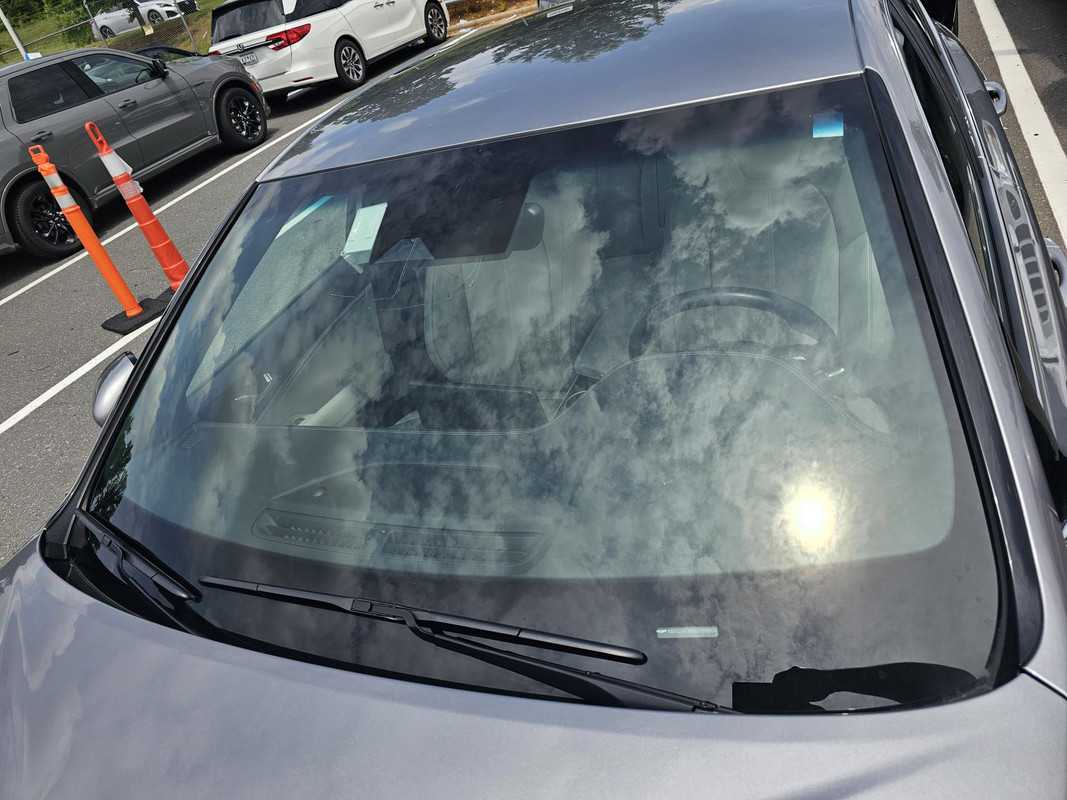
Insurers have networks of preferred auto glass providers, but you can usually choose your own repair shop. The difference is how billing and warranties are handled. If you choose outside the network, you may pay up front, then get reimbursed. This can still be worth it if you want a shop with a stronger track record on calibration or if they offer the exact glass you prefer. Some insurers also distinguish between OEM and OEE (original equipment equivalent) glass. They may only approve OEE unless you demonstrate that OEM is necessary for ADAS performance or fitment. Documentation helps here. A good shop will provide a note stating why OEM is required, which you can submit to the insurer.
One more wrinkle: if a crack is small and away from the driver’s line of sight, chip repair might be eligible for full coverage, not counting toward your deductible. But once a crack grows, or if damage sits within the wiper sweep area in front of the driver, most shops will decline repair due to safety and clarity concerns.
OEM versus aftermarket glass, and when it matters
Original equipment glass is made by or for the automaker to their specification. OEE or aftermarket glass is produced by third-party manufacturers to meet safety standards. I’ve seen excellent OEE pieces with perfect fit and optical clarity. I’ve also seen budget panels with slight distortions at the edges that cause visual shimmer. On basic vehicles without heads-up display, rain sensors, or delicate camera brackets, quality OEE often performs well and saves 100 to 300 dollars. On vehicles with HUD, acoustic damping, or complex sensor arrays, I lean toward OEM or premium OEE from the same manufacturer that supplies the automaker, because bracket placement tolerances and coatings matter. Heads-up display in particular can ghost or blur if the laminate layer is off by a hair.
Ask the shop which brand of glass they are quoting and whether it matches the original specifications for acoustic layer, tint, and camera bracket style. You can also ask for photos of the manufacturer label that will appear in the corner of the glass. If the shop hesitates or gives vague answers, move on. The best shops are transparent.
Calibration is not optional if your car needs it
A forward camera that is one degree off will misjudge distance. Lane-keeping might weave. Automatic braking could trigger late. That is why manufacturers spell out calibration procedures after windshield replacement. Static calibration uses targets placed at exact distances and heights in front of the vehicle. Dynamic calibration involves a road test at specific speeds on roads with clear lane markings. Some cars require both.
The technician needs level floors, proper lighting, and updated software. They will also need to confirm no warning lights remain and that the vehicle’s diagnostic system shows calibration complete. If you drive away and the lane-keep icon is grayed out or the car nags you about safety systems needing service, turn around. You want a printable proof of completion with timestamps and any error codes resolved. If your local search for auto glass near me leads to mobile-only outfits that avoid calibration, be cautious. A split job is possible, where a shop installs the glass and a dealer performs calibration, but make sure the total cost and logistics are set up in advance.
How to get an auto glass quote you can trust
Estimators see wide variability in how customers describe their windshields. Help them help you. The simplest way to cut through the noise is to provide the VIN. It appears on your insurance card or visible near the base of the windshield on the driver’s side. With the VIN, the shop can pull exact part numbers and options, then confirm whether calibration is required.
Now, a fair question is how to compare offers and lock in your price without surprises. Most shops will give a range if you call and give only the make and model. If you want a precise windshield quote, submit the VIN, photos of the windshield area around the mirror showing sensors, and a note on whether you want OEM or OEE. Ask for a written estimate that breaks out glass, labor, materials, calibration, taxes, and any moldings. Request a hold period, often 7 to 14 days, because glass pricing can change with supply. If they will hold the price when you schedule within that window, you’re protected.
This is also the time to discuss scheduling and drive-away time. Modern urethane adhesives cure quickly, but cure time depends on humidity, temperature, and the adhesive brand. Most safe drive-away times fall between 30 minutes and 2 hours. If a shop quotes a 10-minute drive-away, question it. That adhesive may not be crash-tested to the same standard.
A short checklist to lock in your quote and avoid add-ons
- Provide the full VIN and clear photos of the mirror/sensor area. Ask for a line-item estimate with glass brand, calibration method, and drive-away time. Confirm whether moldings, clips, and potential cowl replacements are included. Decide upfront on OEM versus OEE and get that choice noted on the estimate. Request a written price hold period and confirm warranty terms for wind noise, leaks, and ADAS calibration.
When to repair a chip instead of replacing the whole windshield
Chip repair costs far less than replacement, often 60 to 120 dollars for the first chip and a discount for additional chips. If you have comprehensive coverage, many insurers waive the deductible for chip repair. The repair process injects resin into the chip under vacuum, then cures it with UV light. The goal is to stop cracking and restore structural integrity. You may still see a faint blemish. If a crack is longer than a few inches, or if the damage sits directly in the driver’s line of sight, repair usually won’t be advised. The optical distortion can be noticeable and unsafe.
One practical detail: temperature affects repair quality. Extremely hot glass can cause the resin to cure too fast. Extremely cold glass may not accept resin evenly. If you schedule mobile service, pick a spot with shade and mild conditions if possible.
The difference between mobile service and shop service
Mobile service is convenient for basic auto glass replacement on vehicles without complex calibration. It saves you the trip and can be done at work or home, provided the weather cooperates. Rain, heavy wind, or dust can compromise adhesive performance and calibration accuracy. If your vehicle needs static calibration with targets, the shop’s controlled environment is better. Some mobile technicians carry portable target frames and levels, but parking lot surfaces are rarely perfect.
If you do choose mobile, ask the technician to photograph the bead of urethane before placement, the primer application on the pinch weld, and the installation of any new clips or moldings. Many reputable companies already document these steps. It keeps everyone honest and protects your warranty.
Wind noise, leaks, and warranty claims
A properly installed windshield should sit flush with consistent gaps. The trim should not rattle, and the cowl should clip in tightly. Wind noise at highway speed usually means a small gap in the urethane bead or a loose molding. Leaks show up in car washes or during heavy rain. Reputable shops warranty both for at least a year, often for life of ownership. If you hear noise or notice moisture, take the car back promptly. Waiting gives dirt and water a chance to work into the seam, which complicates cleanup and re-sealing.
One common post-install surprise is a crack that appears a week later. Sometimes a stone hits again, but sometimes it is stress from an uneven bead or the wrong curing time. A strong warranty and a cooperative shop make the difference. Ask up front how they handle stress cracks discovered soon after installation.
Regional price differences and timing
Prices vary by city. In dense metro areas with higher labor rates and rent, quotes trend higher. Rural areas with fewer suppliers can also run high due to freight. If your schedule allows, ask the shop when their distributors deliver. Many receive glass shipments on specific days. If you schedule for the morning after a delivery, the shop is less likely to pay a rush fee, which keeps your quote steady.
Season matters too. In winter, adhesives cure slower. Shops that use cold-weather formulas still need to manage temperature. You might be asked to leave the car in a heated bay for a few hours. This is not a cash grab, it is about bond strength and safety. Build that time into your day Aiken car window glass replacement so you aren’t tempted to drive off early.
How to handle auto glass quotes when you are on the road
If a crack spreads while you are traveling, search for auto glass near me and call two or three shops. Explain you are passing through and need same-day service. Provide the VIN and agree to OEE if OEM is not available in time. Ask specifically about calibration capability. If they can install the glass but not calibrate, plan to swing by a dealer for calibration later that day. Keep all receipts. Many dealers will perform a stand-alone calibration for a set fee. If you must drive a short distance before calibration, turn off lane-keeping and adaptive cruise to avoid reliance on a misaligned camera. This is a temporary measure only.
Real-world examples to calibrate your expectations
- A 2016 Honda Civic EX with a camera behind the mirror, no heads-up display, OEE glass, in-house dynamic calibration. Typical quote around 450 to 650, depending on market. Drive-away time about one hour. A 2021 Toyota RAV4 with rain sensor and lane departure, OEM glass requested by customer, static and dynamic calibration. Quote around 700 to 1,100. Price variance depends on OEM glass availability. A 2019 BMW 5 Series with acoustic glass, HUD, camera bracket. OEM recommended due to HUD optics. Dealer-performed calibration. Total commonly 1,200 to 1,800. Scheduling longer due to parts and bay time.
These ranges are not guarantees, but they give a sense of how options stack. If someone quotes far below these norms with all features included, ask what is missing. If someone quotes far above, ask for a breakdown and whether OEM is required.
Negotiation and timing without burning bridges
Auto glass shops operate on thin margins and volatile parts costs. A respectful conversation goes a long way. If you have two comparable quotes for the same glass brand and calibration method, say so and ask if they can match. Offer to schedule during their slower period or when their distributor truck arrives. If you are replacing multiple panes on a fleet vehicle, ask about volume pricing. For a single windshield replacement, aggressive haggling rarely saves more than a small percentage, but strategic timing and clarity about options can save real money.
You can also ask about a price difference between mobile and in-shop service. Some shops charge a small mobile fee. Dropping the car off may lower your total. If transportation is a problem, ask whether they offer drop-off and pick-up within a certain radius.
Locking in your quote: what a good estimate looks like
The best estimates read like a contract. They name the glass brand and part number, specify OEM or OEE, list labor, materials, and calibration, and state the drive-away time and warranty terms. They also note whether moldings or clips are new and included. If your vehicle is known for cowl panel breakage during removal, the estimate should disclose that risk and price the part if replacement becomes necessary.
A shop that spells this out isn’t trying to overwhelm you with jargon. They are protecting you from add-ons and protecting themselves from misunderstandings. When the day arrives, they will check the glass for damage before unwrapping it, lay a consistent urethane bead, avoid stretching the bead at corners, use suction cups to place the glass accurately, and verify sensor function after calibration. If anything goes sideways, like a rainstorm rolling in during an outdoor job, they will reschedule rather than cut corners.
A short side-by-side to help you choose the right shop
- Transparent quoting: line items, glass brand, calibration method, warranty in writing. VIN-based parts selection: no guessing on options, no bait-and-switch. Calibration capability: in-house or arranged with a dealer, proof of completion provided. Clean, controlled workspace: especially for vehicles with ADAS. Responsive aftercare: quick fixes for wind noise, leaks, or sensor warnings.
Final thoughts that keep your wallet, and your safety, intact
When you are staring at a spreading crack, it is tempting to take the first low number you hear. Resist that impulse for a single day. Get the VIN, snap a couple of photos of the mirror area, and request a written, line-item auto glass quote from two reputable shops. Decide up front whether OEM is worth the added cost for your specific vehicle. Confirm calibration needs and who will perform it. Ask for a price hold and a clear warranty.
If you approach the process with those basics, you will not only lock in your windshield quote, you will also end up with a windshield that fits, seals, and supports your safety systems the way the car maker intended. That is the entire point of auto glass replacement. It is not just a sheet of glass. It is a structural component that keeps the roof from collapsing in a rollover, helps your airbags deploy correctly, and provides the eyes for your driver assistance technology. Get the details right, and you only have to think about your windshield when you are cleaning it.