Cracked glass has a way of ambushing your week. A stone pops up on the freeway, or a temperature swing turns a dime-size chip into a seam that walks across the windshield. The question then becomes less philosophical and more practical: who can come to you, fix it properly, and at a price that makes sense? The answer hinges on understanding the work behind a solid auto glass replacement and how shops build a windshield quote that matches your vehicle and circumstances.
I have spent years around service bays and mobile vans, walking customers through what drives an auto glass quote, and why one “too good to be true” number can end up costing more in time and headaches. The difference between a fair price and a gamble often comes down to details that most people don’t think to ask. This guide pulls those details into the open so you can get reliable numbers from reputable providers and avoid surprises.
Why the quote for the same car can vary so much
Two drivers with the same model year can call three shops and hear three very different prices. That variance usually traces back to four things: part type, features bundled into the glass, calibration requirements for safety systems, and the logistics of mobile service.
Start with the glass itself. Original equipment manufacturer (OEM) windshields and door glass come from the brand’s approved suppliers and meet specific optical and structural standards. Aftermarket glass can be nearly identical, or slightly different in curvature, acoustic laminate, or solar coating, depending on the manufacturer. For some vehicles, OEM is strongly recommended, especially when the original windshield carries heads-up display reflectivity or advanced acoustic laminates. On others, high-grade aftermarket glass performs fine and costs 20 to 40 percent less. When quotes are far apart, one shop may be pricing OEM while another is quoting an aftermarket equivalent without calling it out.
Features embedded in the glass move the price needle as well. Modern windshields can carry rain sensors, humidity sensors, heated wiper parks, thermal coatings, infrared or UV filters, antennas, and the mounting footprint for driver assistance cameras. Ford’s heated wiper area and Subaru’s EyeSight camera bracket are familiar examples. Two windshields that look similar in a catalog can differ by a single sensor or tint band and swing the cost by a hundred dollars or more. That is why a shop will ask for your VIN when preparing an auto glass quote. The VIN decodes production options and, done properly, prevents ordering the wrong part.
Then there is ADAS calibration. If your car uses a forward-facing camera for lane keeping, automatic emergency braking, or adaptive cruise, replacing the windshield almost always requires recalibration. Some cars accept a dynamic calibration on a road test with the scan tool hooked up. Others need a static calibration on a level floor with targets placed at exact distances. Shops invest in equipment, floor space, and technician training to perform these procedures, and those costs appear in the windshield replacement quote. If a quote seems unusually cheap for a camera-equipped car, ask where and how calibration will be done, or whether it is included at all.
Finally, mobile service adds convenience, but it has economics. A mobile technician carries a controlled inventory, adhesive heaters for cold weather, and the tools to prepare and bond the opening. Travel time, fuel, and setup affect the number of jobs a technician can finish in a day. Reputable shops factor those realities into the price. If you are searching “auto glass near me” and a provider promises a same-day mobile swap for less than the in-shop rate, probe for what might be missing, especially calibration support and proper curing time guidance.
What a complete mobile replacement looks like
Seeing the process helps you judge the quotes and the promises behind them. A proper mobile windshield replacement does not mean a rushed parking-lot swap with a roll of tape. It is a controlled procedure with steps that protect both the car and the structural integrity of the glass bond.
The technician verifies the part and options, inspects the vehicle for preexisting damage, and confirms ADAS status. Trim and cowl pieces come off carefully, and the old urethane bond is cut with the appropriate tool. Some cars respond best to fiber line systems to avoid paint damage at the pinch weld. The old glass lifts out, the bonding surface is cleaned, any corrosion at the pinch weld is treated, and primers are applied per the urethane manufacturer’s instructions. Surface prep is the moment that separates long-lasting bonds from those that leak a year later.
The new windshield is dry-fit, then set with suction cups or a setting device to control reveal and height so moldings sit as designed. High-modulus, non-conductive urethane with the correct viscosity for the day’s temperature is applied to achieve the proper bead shape. After the glass is set, the technician reassembles the trim, verifies reveal symmetry, and, if required, starts the calibration process. They document safe drive-away time based on the urethane spec and weather. On a cool, damp morning the safe drive-away time can easily be two to three hours. On a hot, dry day with a fast-cure product, it may be under an hour. Rushing that window compromises airbag support in a crash and can lead to wind noise and water intrusion.
Why does this matter to your quote? Because shortcuts change the cost. Skipping corrosion treatment saves minutes but stores a future leak. Using a bargain urethane reduces material cost but increases safe drive-away time or bonding risk. A shop that prices fairly and explains the process is worth more than a rock-bottom number with vague steps.
The price ranges you can expect
Numbers vary by region, vehicle, and glass type, but a few defensible ranges will orient you. For a typical sedan without ADAS, an aftermarket windshield replacement with mobile service often falls between 250 and 450 dollars, including materials and shop warranty. Opting for OEM on the same car usually adds 100 to 300 dollars. If the vehicle has a forward camera and needs calibration, add 150 to 350 dollars for dynamic calibration, and 200 to 500 dollars if static targets are required. Luxury brands can exceed those ranges due to proprietary glass, acoustic interlayers, or HUD coatings, with OEM windshields landing in the 800 to 1,600 dollar band.
Side and rear glass follow different patterns. Tempered side glass generally prices lower, often 180 to 350 dollars per door pane for common models. Rear glass can be costlier because of embedded defroster elements, antennas, and sometimes integrated spoilers, so 300 to 800 dollars is typical. A panoramic roof panel sits in its own universe, and many of those jobs are not mobile due to the teardown and sealing requirements.
Taxes, disposal fees, moldings, and clips can add small amounts to the total. The exception is when a windshield requires a one-time-use molding that costs 60 to 200 dollars for certain models. The VIN lookup should catch that, and your quote should itemize it.
How to get an accurate auto glass quote without the runaround
Shops can only quote accurately with clear information. If you want three apples-to-apples numbers from reputable providers, give them what they need in the first call and expect them to reciprocate with specifics in writing. A common mistake is asking for a “ballpark” and then using it as a decision anchor. Ballparks don’t include ADAS, clips, or moldings, and they can set you up for disappointment.
Provide your full VIN, the exact glass pane you need, your current location for mobile service, and your schedule constraints. If you noticed features like a rain sensor or heated wiper area, say so. If you use lane-keeping or adaptive cruise control, mention it and ask whether calibration is included. If your car has aftermarket tint or a dash-mounted camera, point that out since it may change the procedure or timeline.
On the shop’s side, look for an itemized estimate that calls out the glass brand and type, the urethane brand, calibration method if applicable, moldings or clips, mobile fee if any, warranty terms, and safe drive-away time guidance. If any of those details are missing, ask to have them added before you compare.
Insurance, deductibles, and the awkward middle ground
Insurance changes the math. If your comprehensive coverage carries a deductible equal to or higher than the quote, you may prefer to pay out of pocket. Some states and insurers waive the deductible for windshield replacements to promote roadway safety. In others, a glass endorsement adds a small premium but brings a low or zero deductible on glass claims. It is worth a five-minute call to your agent before you schedule work. Ask about claim impact on premiums, preferred vendor lists, and whether you can choose your shop.
Preferred networks can speed scheduling, but they are not your only option. If you have a trusted local provider, insurers generally allow you to use them and will pay the covered amount, though they may cap reimbursement to a network rate. This is where transparent itemization helps. It shows what is being done and why the cost is justified.
Be aware of the gray area around rock chip repair. Many insurers cover chip repairs at no cost to avoid full replacements later. A reputable mobile technician will evaluate chip location and spread risk. If a chip lies within the driver’s primary field of view, repair Hartsville auto glass replacement might still leave a faint blemish that refracts light, and a conscientious shop will warn you. If a repair attempt spreads the crack, some shops will credit the repair toward replacement. Ask about that policy when you book.
Mobile versus in-shop: when convenience helps and when it hurts
Mobile service exists for a reason. Glass can be safely replaced in a driveway or parking lot when the weather is cooperative and the site is level and accessible. For many daily drivers, mobile convenience outweighs the slight control advantages of a shop bay. That said, some conditions argue for in-shop work.
Static ADAS calibration requires a level floor and controlled lighting. Heavy rain, extreme cold, or high winds complicate adhesive cure and set times. A deep rust line at the pinch weld demands grinding and coating that are better done indoors. If your quote includes static calibration or your car lives in a climate with winter lows below freezing, consider an in-shop appointment. When I have scheduled mobile work in cold snaps, the best techs bring adhesive warmers and set longer safe drive-away times, but they will still recommend rescheduling if conditions threaten the bond.
If you do opt for mobile, pick a spot with room to open doors fully, a relatively clean work area, and permission to work on site. Apartment complexes sometimes push back on mobile service vans if they haven’t been notified. A quick call to the management office can save a day.
Reading between the lines of online “auto glass near me” results
Search results for “auto glass near me” serve paid advertisers first and organic listings second. The first two entries might be national call centers that dispatch to subcontractors, not local shops. That arrangement is not inherently bad, but it can blur accountability if there is a leak six weeks later. When you call, ask where the technician is based and whether the shop performing the work is the same entity that warranties it.
Review scores help, but read the recent comments for calibration outcomes, water leak repairs, and how the shop handled issues. A shop with a slightly lower star rating but detailed owner responses and documented fixes often beats one with perfect scores and thin feedback. Longevity matters. A glass warranty from a pop-up operation that folds next spring is worth little. This is one trade where a few extra dollars for a stable business pays you back in peace of mind.
The hidden cost of getting the wrong glass
Most drivers assume a windshield is a windshield until the wrong one arrives. A mis-specified part can derail your day and lead to improvisations that cause trouble later. I have seen a camera bracket retrofitted with adhesive pads because the glass lacked the proper mount. The camera calibrated, then drifted weeks later as heat softened the pad. A proper bracket embedded in the glass would have prevented that. The cure is simple: VIN-based part verification and a pre-order photo check. Ask the shop to confirm part numbers against your VIN and, if they can, to text you a photo of the receiving label before they roll.
Another edge case involves acoustic windshields. They use a laminate that reduces cabin noise by several decibels. An aftermarket part without the acoustic layer will “fit,” but you will hear more road noise, and your microphone-based voice commands may perform worse on the highway. The difference shows up as fatigue on longer drives. If your car originally came with acoustic glass, consider staying with that spec.
HUD-equipped cars bring their own quirk. The HUD image relies on a specific reflective property in the windshield laminate. Install a non-HUD glass, and the display can double or ghost. You won’t know until you drive at night. Replacing a brand-new windshield because of a ghosted HUD is one of those expensive, avoidable mistakes.
Adhesives and safe drive-away times: how long can you wait?
Adhesive choice rarely appears on an auto glass quote, yet it determines how soon the car can be driven safely. The urethane bond is part of the vehicle’s crash management system. In a frontal collision, the passenger airbag deflects off the windshield, and the adhesive has to hold. Good shops specify urethanes with known minimum drive-away times at stated temperature and humidity. They carry data sheets and will share them if you ask.
A fast-cure, high-modulus urethane costs more. It saves you time and keeps the workflow steady for the shop, which is why professional outfits use it. If you commute on a tight schedule, say so. The shop can align your appointment on a day with favorable weather or stage the car in the morning so you are driving safely by lunch.
If a provider waves off safe drive-away times or says “just keep it under 50 for an hour,” find another provider. The physics do not care about speed limits.
When a repair beats a replacement
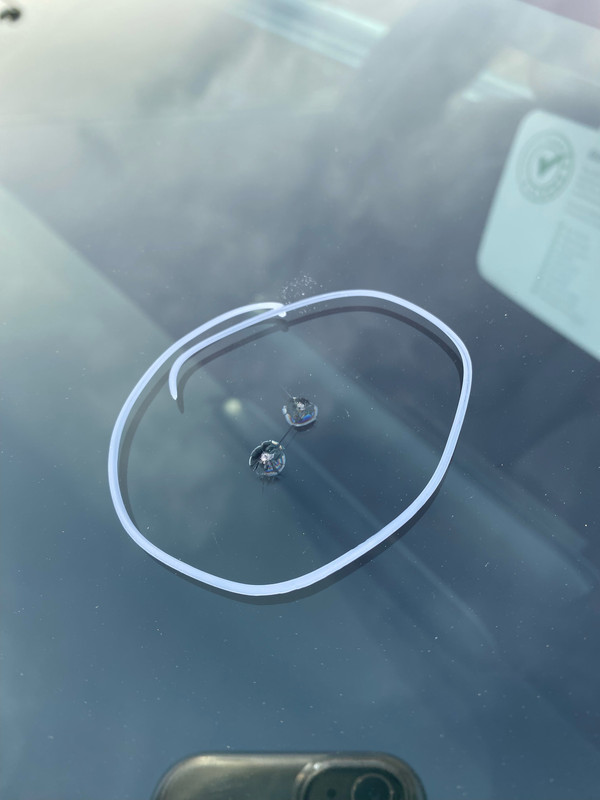
Not every chip needs a new windshield. Injected resin repairs are quick, inexpensive, and often free through insurance. They also preserve the original factory bond which, if intact and rust-free, is ideal. A repair makes sense when the chip is small, not in the driver’s immediate field of view, and has not spawned long cracks or delaminated the laminate. The best time to fix a chip is within days of the impact, before dirt and moisture work into the break.
There are limits. A crack longer than roughly six inches, a star break with radiating legs that reach the edge, or damage that intersects the camera’s view area for ADAS typically calls for replacement. In cold weather, even a minor chip can expand overnight. If you wake to a crack that grew from an inch to a foot, that is the laminate moving under stress. At that point, stop chasing repair and plan for replacement.
Comparing quotes without getting lost in jargon
Once you have two or three itemized estimates, you can make a clear comparison. Glass brand and type should match. If one quote uses OEM and the others use aftermarket, you can either ask for apples-to-apples revisions or decide whether OEM matters to you on this car. Calibration should be explicitly listed as dynamic, static, or both. If you have a camera, any quote that omits calibration is incomplete.
Ask about the warranty. Water leaks and wind noise should be covered for at least a year, and reputable shops stand behind calibration for a defined period as well. Clarify whether warranty service is mobile or in-shop. Check the lead time on parts. A common aftermarket windshield may be same-day. An OEM HUD windshield might take three to five business days. A shop that communicates those constraints upfront usually communicates well if there is a hiccup.
Expect cleanup and glass disposal to be included. A clean interior and a wiped-down dash after a windshield job are small indicators of care. They do not affect the auto glass quote on paper, but they affect the experience.
Situations where it pays to slow down
Most replacements are straightforward. A few scenarios deserve extra caution. If the car has visible rust around the windshield opening, be prepared for additional prep. Surface rust can be treated during the visit. Advanced rust can require body shop intervention. If the vehicle has been previously replaced with urethane slopped onto painted surfaces or if trim was glued instead of clipped, undoing the mess takes time. A good shop will advise you of the condition and options before cutting into the bond.
If you have aftermarket ADAS add-ons, like a plug-in dash camera near the mirror or an aftermarket rain sensor, tell the technician. Some of those devices rely on gel pads that need to be replaced after glass work. They seem trivial until you have a sensor that falls off every week.
If you manage a fleet, standardize. Pick a glass spec, adhesive brand, calibration workflow, and warranty terms with your provider so every truck receives the same standard. It makes cost control and safety documentation easier, and it reduces troubleshooting later when a unit goes in for unrelated service.
A brief, practical checklist before you schedule
- Have your VIN, location, and a clear description of the damage ready, along with known features like rain sensors or HUD. Ask for itemization: glass brand and type, adhesive brand, calibration method, moldings or clips, mobile fee, warranty, and safe drive-away time. Confirm who performs and warranties the work, especially if the call is answered by a national dispatch center. Align appointment timing and location with weather and calibration needs; consider in-shop if static calibration or rust is likely. If using insurance, verify deductible and choice-of-shop rights before booking.
When to walk away from a quote
Low numbers with vague details are red flags. Quotes that dodge calibration or treat it as optional on a camera-equipped car are not serious. Providers that refuse to share adhesive specs or safe drive-away times are signaling a focus on speed over safety. Shops that will not decode your VIN but promise to “sort it on the truck” risk bringing the wrong glass and upselling you on site.
Reputable providers do not pressure you to decide on the call. They are comfortable sending an estimate in writing, answering questions about OEM versus aftermarket parts, and explaining trade-offs. They schedule realistically and show up when they say they will. If a shop hits those marks and the price lands in the ranges outlined earlier, you have found a dependable partner.
Final thoughts from the field
The best auto glass replacement jobs feel boring in the right ways. The technician arrives with the correct glass, works methodically, explains the adhesive cure and calibration, and leaves you with a car that looks factory and drives quietly. Getting to that result consistently depends on the details behind the quote.
If you start your search with “auto glass near me,” do it with a plan. Give accurate information, ask pointed questions, and compare itemized estimates. Choose the provider that treats your car like a structure, not a commodity. Whether you need a fast repair or a full windshield replacement, the extra ten minutes you invest upfront will pay off in a tight seal, a quiet cabin, a camera that holds calibration, and a repair you won’t think about again.
If you have a question about a specific model or you are unsure whether your situation calls for a repair or a full auto glass replacement, call a shop and ask to speak to a technician rather than just a scheduler. A two-minute conversation about your chip’s location, your car’s ADAS package, and your weekly routine often reveals the right path, and it helps the shop build a windshield quote that is accurate the first time.